Sri Lanka's technology sector is evolving as businesses increasingly depend on digital platforms, online services, and information systems. While these developments create new opportunities, they also increase the need for professionals who can manage data effectively and protect digital assets. Data Science and Cybersecurity are two important technology fields supporting this transformation. Understanding both areas can help Sri Lankan technology professionals strengthen their knowledge, adapt to industry changes, and explore new career opportunities.
Understanding the Connection Between Data Science and Cybersecurity
Data Science involves collecting, processing, and analysing information to discover patterns and support better decisions. Cybersecurity focuses on protecting computer systems, networks and sensitive information from digital threats.
Although these fields have different objectives, they can work together. Data Science techniques help cybersecurity teams examine large volumes of security information, recognise unusual activities and identify potential risks.
For example, financial institutions can analyse transaction patterns to detect suspicious behaviour. Businesses can also examine network activity to identify unusual access attempts that may indicate a security problem.
How Data Science Supports Cybersecurity
Modern organisations generate enormous amounts of digital information. Analysing this information manually can be difficult, especially when security threats develop quickly.
Data analytics and machine learning can help security professionals identify patterns that may otherwise go unnoticed. These technologies support threat detection, fraud monitoring and security risk assessment.
Important applications include:
- Fraud detection: Analysing transaction patterns to identify potentially suspicious activities.
- Anomaly detection: Recognising unusual behaviour across networks and digital systems.
- Threat intelligence: Examining security information to understand emerging cyber risks.
- User behaviour analysis: Identifying unexpected changes in account access or system usage.
- Security monitoring: Analysing system logs to investigate possible incidents.
- Risk assessment: Using historical information to understand vulnerabilities and prioritise security improvements.
These applications can help organisations strengthen their digital protection strategies.
Important Skills for Technology Professionals
Professionals interested in these fields should develop a combination of analytical, technical, and security-related skills. Understanding statistics, data visualisation and database management can provide a foundation for Data Science.
Knowledge of Python and SQL is also useful for working with datasets and automating analytical tasks. For Cybersecurity, professionals should understand networking, operating systems, access management, encryption and security monitoring.
Critical thinking and problem-solving are equally important. Technology professionals must be able to investigate unusual patterns, evaluate risks, and communicate technical findings clearly.
Read these articles:
- Data Science for Emotional Intelligence in AI Systems
- How Data Analytics Drives Collaboration in Food Tech
- Building a Strong Foundation in Data Science in the UAE
Career Opportunities in Sri Lanka
The growing importance of digital security and data-driven decision-making is creating opportunities across banking, telecommunications, healthcare, finance, retail, and IT services.
Depending on their qualifications and experience, professionals may explore roles such as Data Analyst, Security Analyst, Cybersecurity Specialist, Fraud Analyst, Security Data Analyst, and Machine Learning Engineer.
Individuals who understand both data analysis and security principles may also contribute to projects involving fraud prevention, threat intelligence, and security automation.
Building Skills Through Professional Training
Developing expertise requires structured learning and practical experience. Professionals can explore online Data Science Training in Sri Lanka to build knowledge of data analysis, programming, statistics, machine learning, and data visualisation.
A suitable training programme should include practical exercises and real-world examples. Learners can strengthen their understanding by analysing sample datasets, creating dashboards and exploring basic anomaly-detection projects.
Technology professionals seeking flexible learning opportunities can also consider online Data Science Training in Colombo to develop analytical capabilities while balancing their existing work responsibilities.
Preparing for the Future of Technology
As cyber threats and digital technologies continue to evolve, organisations will need professionals who can understand information and support secure technology environments. Continuous learning, practical projects, and industry-relevant certifications can help individuals remain adaptable.
Combining Data Science knowledge with Cybersecurity awareness can provide a valuable foundation for professionals who want to contribute to safer and more intelligent digital systems.
Data Science and Cybersecurity are increasingly connected in Sri Lanka's technology landscape. Together, they help organisations analyse information, identify potential threats, and make better security decisions. By developing analytical and cybersecurity skills, technology professionals can prepare for emerging industry requirements and explore rewarding opportunities in the digital economy.
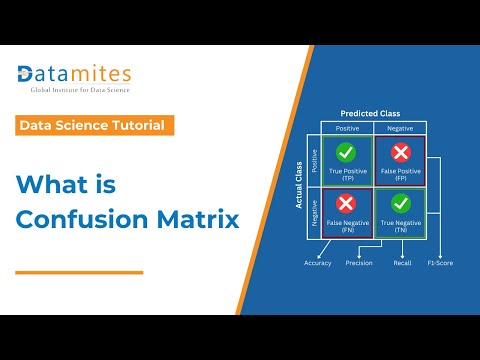
Confusion Matrix Explained: Classification Model Evaluation

No comments:
Post a Comment